
This post may contain affiliate links. Please read our disclosure policy.
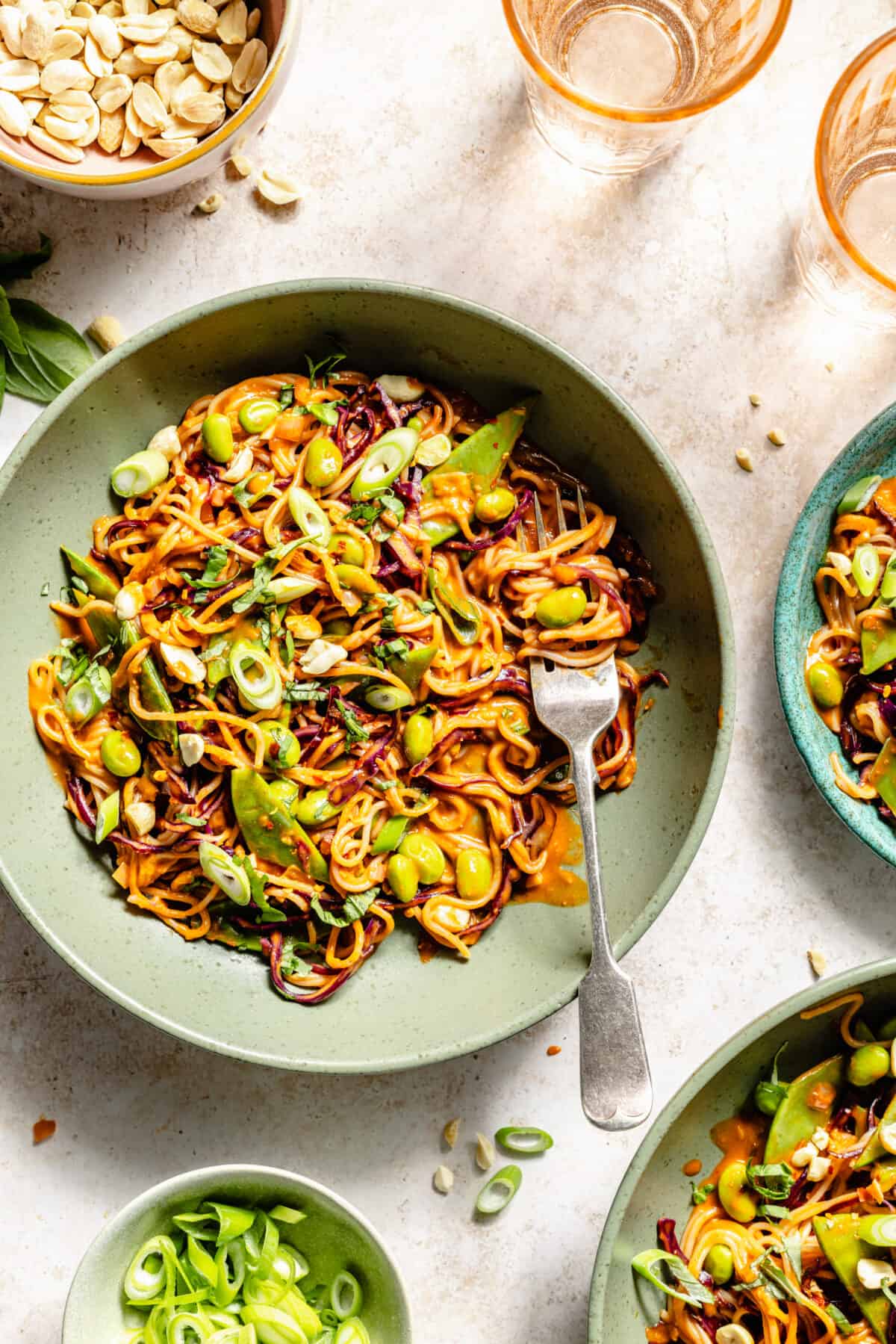
These Gochujang Peanut Veggie Noodles will be ready in less than 30 minutes and bring all the flavor to your dinner table.
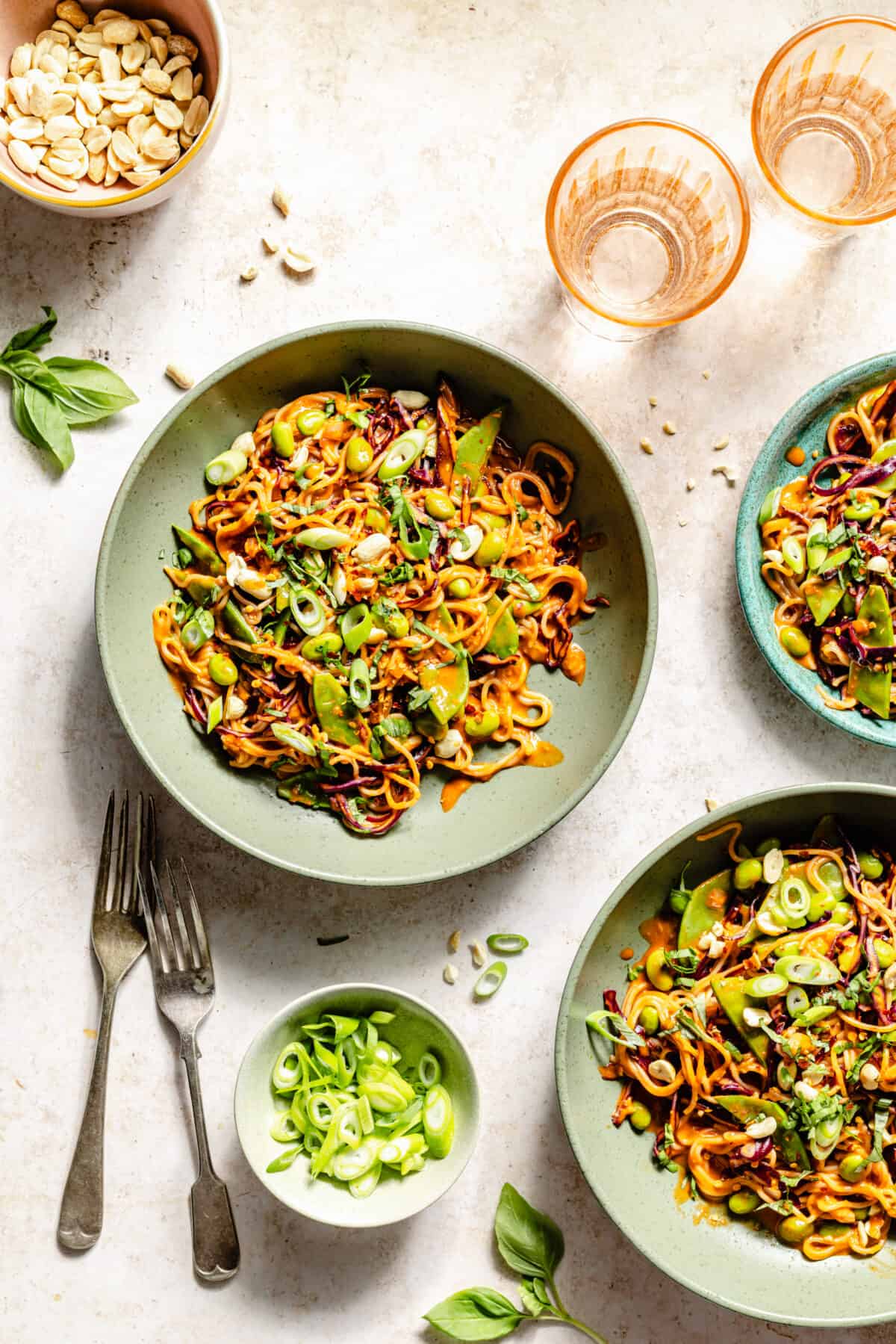
If you have my latest cookbook, Dinner Tonight, I talk a lot about how much I love gochujang! This fermented Korean chile paste adds instant flavor to any dish and I cannot get enough of it. The gochujang (plus a variety of other pantry staples) come together with a few fresh ingredients to make an out-of-this-world sauce.
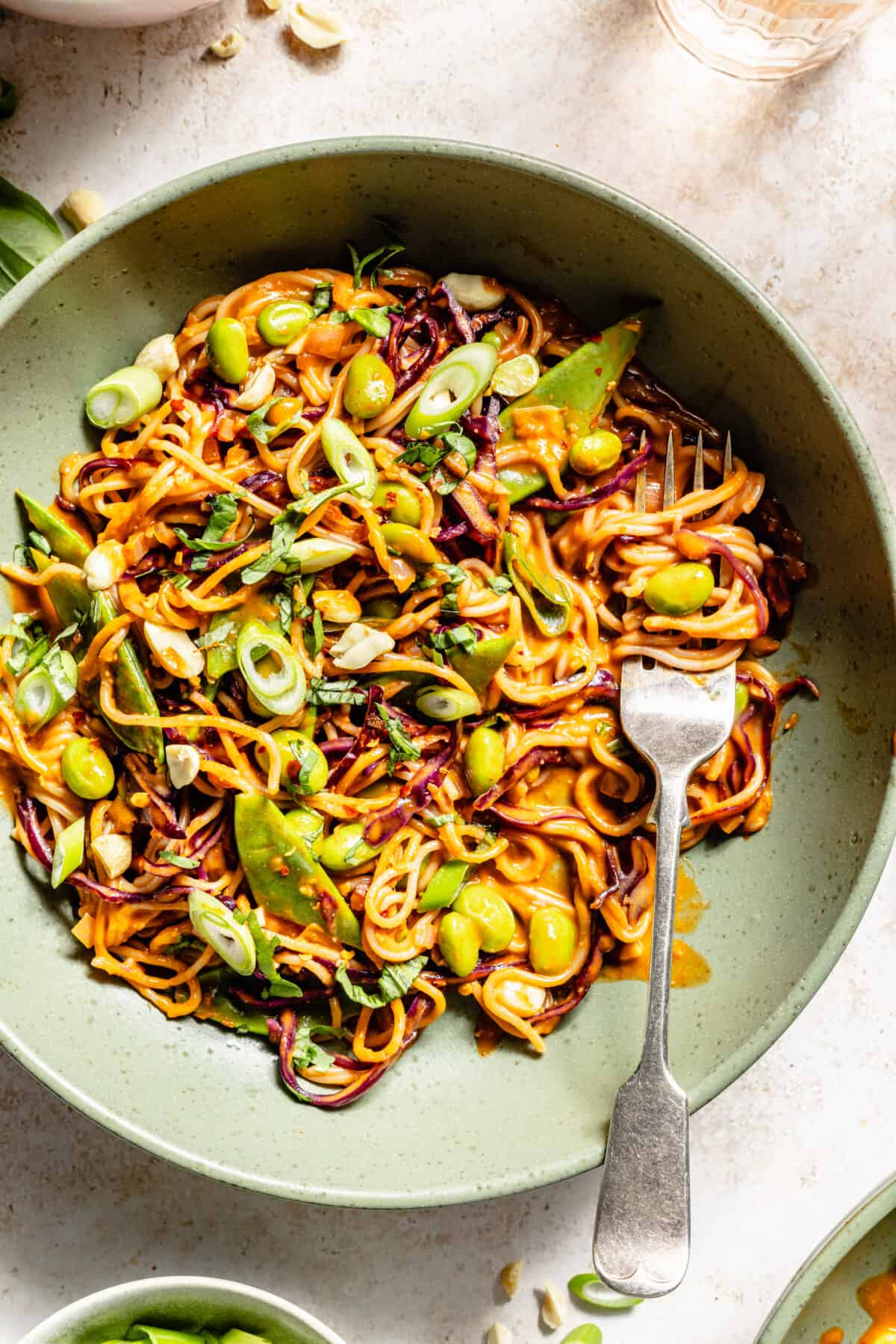
Once your sauce is made, you will simply cook your ramen noodles, according to package directions, then toss in the sauce with a few veggies! Be sure to check out my notes below on the best kind to use. Once your noodles, sauce, and veggies are all incorporated, simply top with your preferred garnishes and dinner is served!
Ingredients:
- Coconut Aminos
- Creamy Peanut Butter
- Coconut Sugar
- Toasted Sesame Oil
- Gochujang
- Lime Juice
- Rice Vinegar
- Low-Sodium Vegetable Broth
- Avocado Oil
- Shallot
- Garlic
- Fresh Ginger
- Kosher Salt
- Brown Rice Ramen Noodlee
- Shredded Red Cabbage
- Snow Peas
- Shelled Edamame
- Roasted Unsalted Peanuts
- Thai Basil
- Scallions
- Crushed Red Pepper Flakes
Step-by-Step:
Step One: make the Sauce base
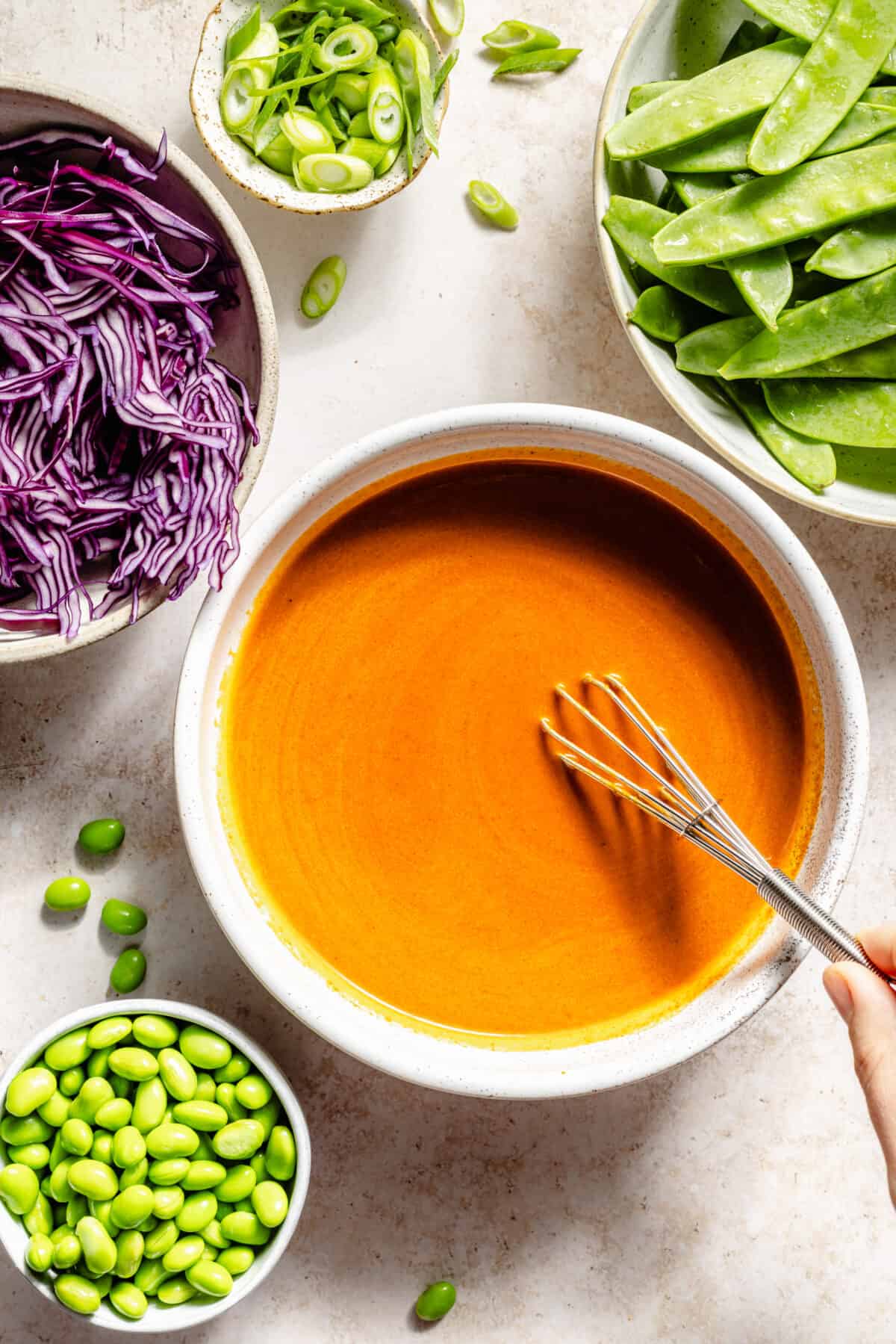
In a small bowl, whisk together the coconut aminos, peanut butter, coconut sugar, toasted sesame oil, gochujang, lime juice, rice vinegar, and vegetable broth. Set aside.
Step Two: Finish the Sauce
In a large skillet, heat the avocado oil over medium heat. Once hot, add the shallot, garlic, and ginger. Sauté until fragrant, about 2 minutes. Carefully pour in the gochujang sauce and stir to combine. Bring to a simmer and cook for 2 minutes. Reduce the heat to low and allow to simmer very gently while you cook the ramen.
Step Three: Cook the Ramen Noodles
Cook the ramen noodles until al dente, according to package instructions. Reserve 1 cup of pasta water. Drain the noodles, then transfer them directly to the saucepan. Increase the heat to medium. Using tongs, toss the noodles in the sauce rapidly, adding pasta water in 1/4 cup increments until the sauce is glossy and coats the noodles.
Step Four: Add the Veggies
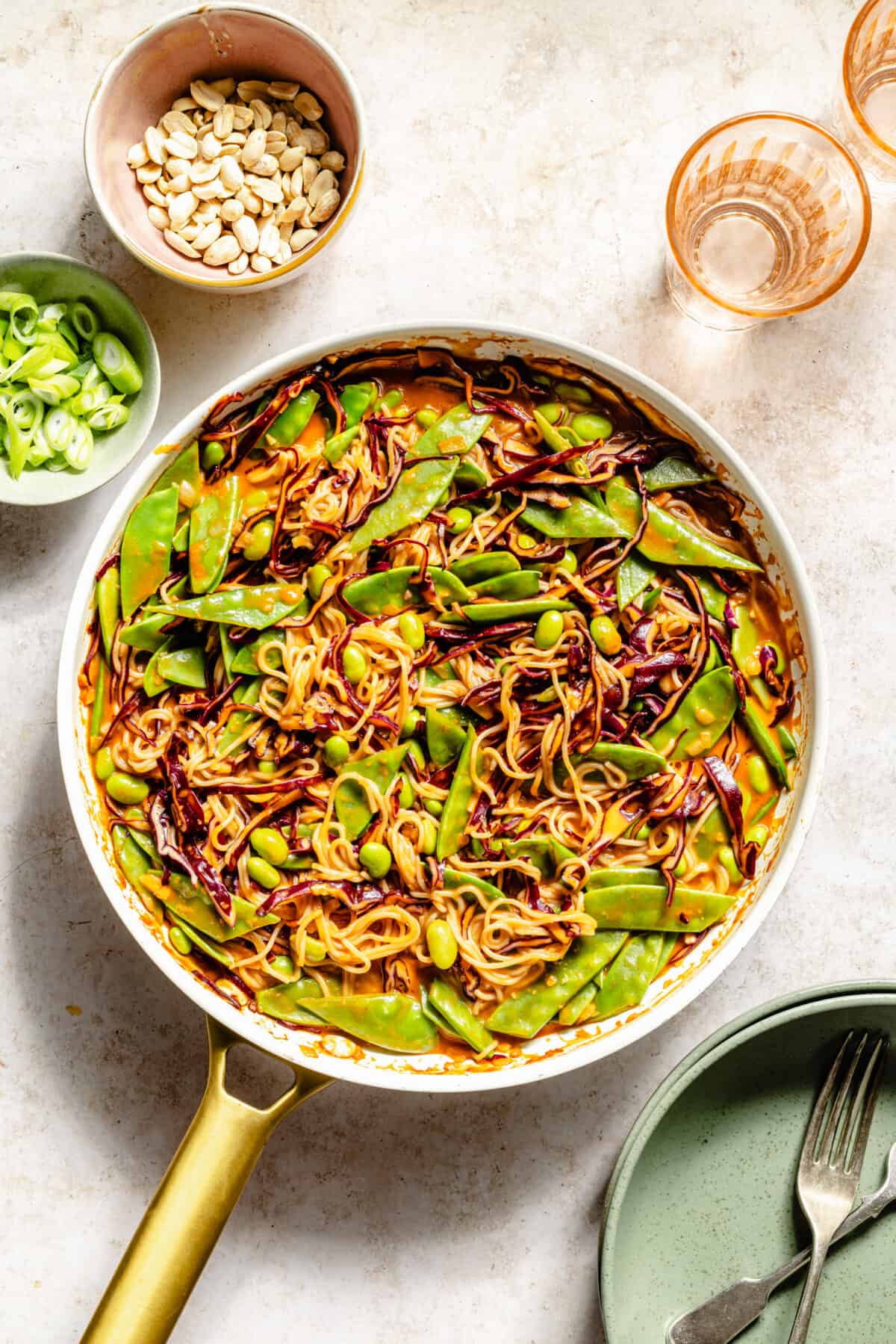
Add the cabbage, peas, and edamame. Toss to combine, continuing to add pasta water as needed, until the veggies are completely incorporated. The steam from the noodles will cook them slightly but still keep a little crunch.
Step Five: Serve and Enjoy!
Distribute into bowls and top with peanuts, Thai basil, green onions, and red pepper flakes, if using. Serve immediately.
Recipe FAQs:
You could swap in cashew butter instead!
Gochujang is a fermented Korean chile paste that adds instant flavor to recipes. Note that gochujang is often made with a small amount of wheat, making it a little difficult to find a gluten-free option. However, the Coconut Secret brand, which is made with coconut aminos, can be found online and at various grocers.
Overall, I found two (three-ounce) pucks (for a total of 6 oz.) of brown rice ramen noodles worked best after lots of testing! I tested this recipe with three kinds of ramen and they really vary widely on how much sauce they soak up. For example, normal ramen noodles ended up with way too much pasta vs. sauce.
I hope y’all love these Gochujang and Peanut Veggie Noodles as much as I do! Comment below once you try this recipe!
want more gochujang recipes? try these!
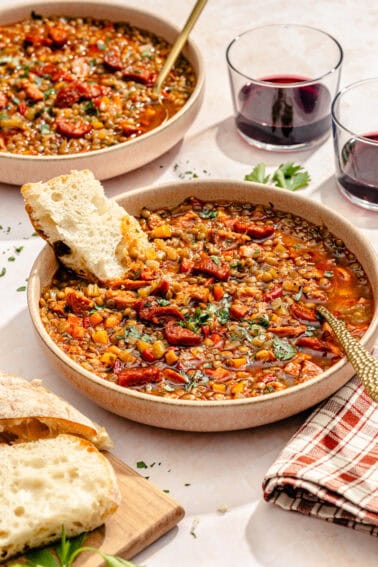
Gochujang Ground Chicken Glass Noodle Skillet
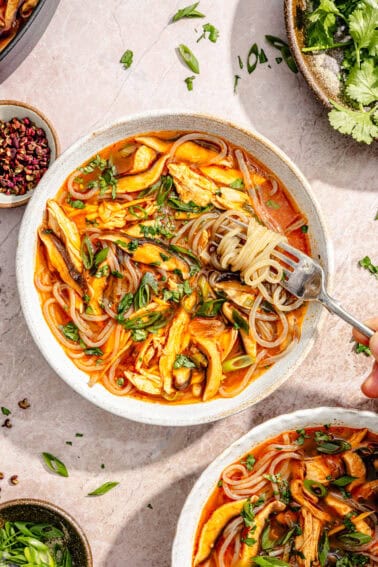
Gochujang and Coconut Shrimp Noodle Soup
Sheet Pan Gochujang Glazed Salmon
Gochujang Grilled Chicken Lettuce Wraps
Gochujang Peanut Veggie Noodles
Ingredients
For the Sauce:
- 1/4 cup coconut aminos
- 1/4 cup creamy peanut butter
- 2 tablespoons coconut sugar
- 1 teaspoon toasted sesame oil
- 3 tablespoons gochujang
- 1 tablespoon lime juice
- 1 tablespoon rice vinegar
- 1/2 cup low-sodium vegetable broth
- 2 tablespoons avocado oil
- 1 large shallot, minced
- 4 garlic cloves, minced
- 1 tablespoon grated fresh ginger
- 1 teaspoon kosher salt
For the Noodles and Veggies:
- 6 ounces brown rice ramen noodles (see note)
- 2 cups thinly sliced red cabbage
- 2 cups snow peas, cut on the diagonal
- 1 cup shelled edamame (thawed if frozen)
For Serving:
- 1/2 cup roasted unsalted peanuts, roughly chopped
- 1/2 cup julienned Thai basil
- 4 scallions, thinly sliced
- crushed red pepper flakes, optional
Instructions
Make the Sauce:
- In a small bowl, whisk together the coconut aminos, peanut butter, coconut sugar, toasted sesame oil, gochujang, lime juice, rice vinegar, and vegetable broth. Set aside.
- In a large skillet, heat the avocado oil over medium heat. Once hot, add the shallot, garlic, and ginger. Sauté until fragrant, about 2 minutes. Carefully pour in the gochujang sauce and stir to combine. Bring to a simmer and cook for 2 minutes. Reduce the heat to low and allow to simmer very gently while you cook your ramen.
Cook the Ramen Noodles:
- Cook the ramen until al dente, according to package instructions. Reserve 1 cup of pasta water. Drain the noodles, then add them directly to the saucepan. Increase the heat to medium. Using tongs, toss the noodles in the sauce rapidly, adding pasta water in 1/4 cup increments until the sauce is glossy and coats the noodles.
Add the Veggies:
- Add in the cabbage, peas, and edamame. Toss to combine, continuing to add pasta water as needed, until the veggies are completely incorporated. The steam from the noodles will cook them slightly but still keep a little crunch.
Serve and Enjoy:
- Distribute into bowls and top with peanuts, Thai basil, green onions, and red pepper flakes if using.
Notes
Nutrition
Nutrition information is automatically calculated, so should only be used as an approximation.
Photography by Eat Love Eats.
This recipe is fire! So easy, so quick, so flavorful.
Thank you so much!!
Hi! Curious if using frozen edamame, should it be frozen, thawed or cooked when adding it in? Thank you! Big fan btw, we make several of your recipes on the regular and all are top notch!
Slightly thawed would be best but they do get a good amount of heat in the pan and cook quickly if you forget!
Looking for meat protein to add- what would you suggest?
I think ground chicken would be great mixed into this! Or top with boneless, skinless chicken thighs. If you like seafood, shrimp or salmon on top would be delicious too!
Yummy! I used cashews/almond butter in place of the peanuts/peanut butter. And I used udon noodles because that’s what I had on hand. This is a delicious meal with a ton of veggies in it. Great reset for the new year.